
Geometry Student Text 2nd Edition Chapter 2 Parallel and Perpendicular Lines
Carnegie Learning Geometry Student Text 2nd Edition Chapter 2 Exercise 2.5 Solution Page 113 Problem 1 Answer
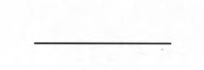
To construct: An equilateral triangle using the side shown.
Given :
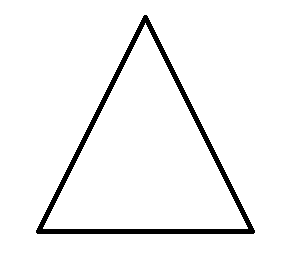
The triangle is
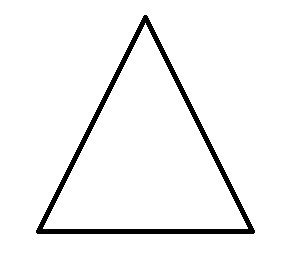
The equilateral triangle is
Page 113 Problem 2 Answer
To compare: The triangle that you constructed with the triangles that your classmates constructed.
What do you observe, why
Read and learn More Carnegie Learning Geometry Student Text 2nd Edition Solutions
Given :
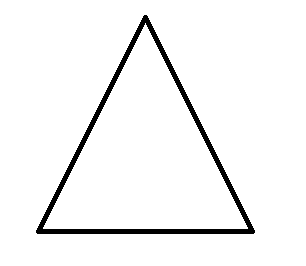
All the triangles are same, since the triangle is equilateral triangle.
All the sides and angles are same.
All the triangles are same, since the triangle is equilateral triangle.
Carnegie Learning Geometry Student Chapter 2 Page 114 Problem 3 Answer
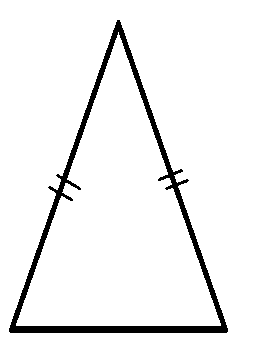
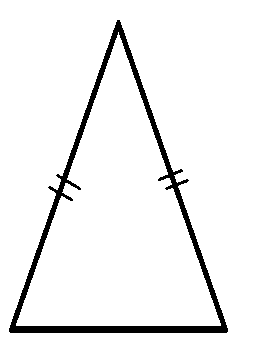
To construct: An isosceles triangle using one of the congruent sides shown. Indicate the congruent sides.
The isosceles triangle is
The isosceles triangle is
Carnegie Learning Geometry Student Chapter 2 Page 114 Problem 4 Answer
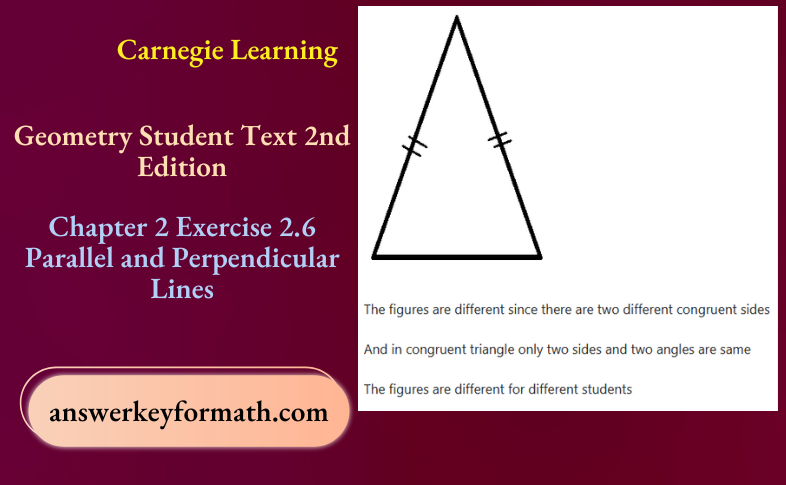
To compare: The triangle that you constructed with the triangles that your classmates constructed. What do you observe, why
Given :
Solutions for Parallel And Perpendicular Lines Exercise 2.5 In Carnegie Learning Geometry Page 114 Problem 5 Answer
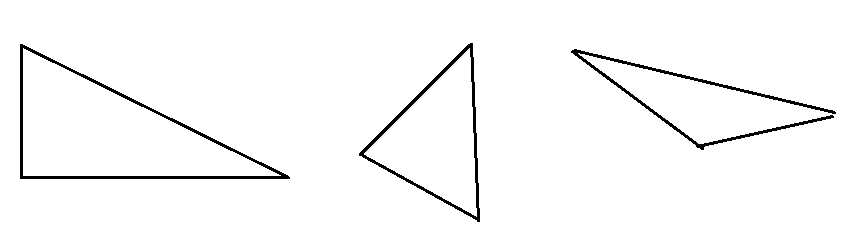
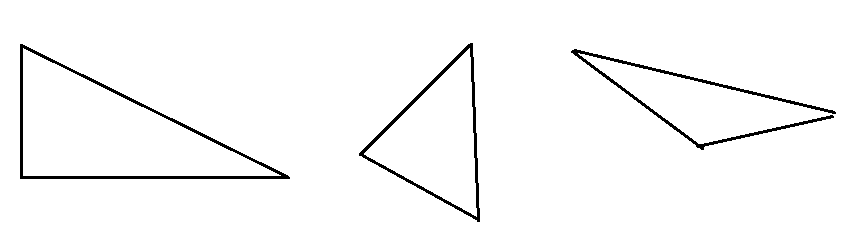
To draw: Three different scalene triangles.
A scalene triangle is a triangle in which all 3 sides have different lengths.
The triangles are
The triangles are
Carnegie Learning Geometry Student Chapter 2 Page 114 Problem 6 Answer
To use: Protractor to measure each angle of the triangle you constructed in Question 1. What do you observe
Given :
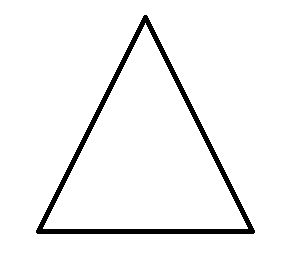
The angles are measured
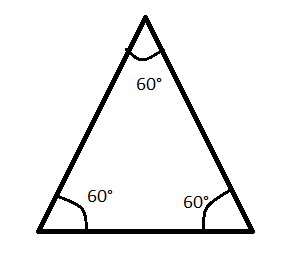
All the angles are 600
All the angles are 600
Page 114 Problem 7 Answer
To explain: How are equilateral and equiangular triangles related
Both of them are same
If all angles are equal then all sides are also equal Angle is 600
Hence equilateral and equiangular triangles are same
Equilateral and equiangular triangles are same
Carnegie Learning Geometry Student Chapter 2 Page 115 Problem 8 Answer
To draw : Three different acute triangles.
An acute
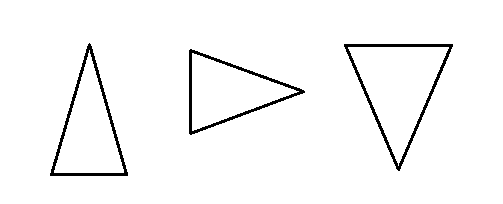
The acute triangles are
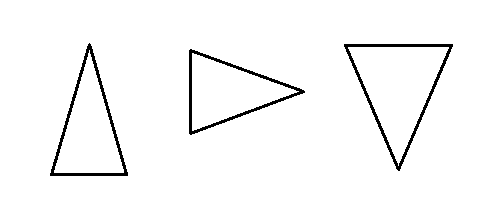
Carnegie Learning Geometry 2nd Edition Exercise 2.5 Solutions Page 115 Problem 9 Answer
To construct: Three different right triangles.
Given :

The triangles are
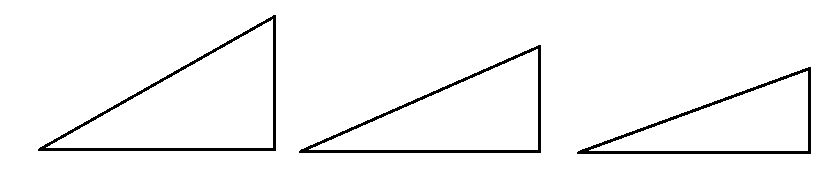
The right angled triangles are
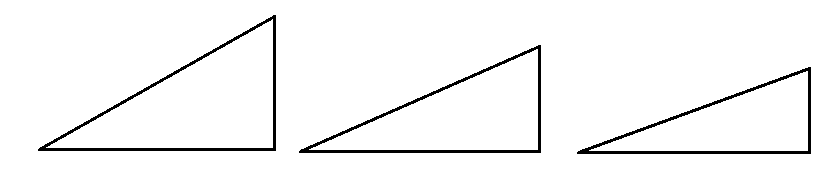
Carnegie Learning Geometry Student Chapter 2 Page 115 Problem 10 Answer
To compare: The right triangles that you constructed with the right triangles your classmates constructed. What do you observe, Why
Given :
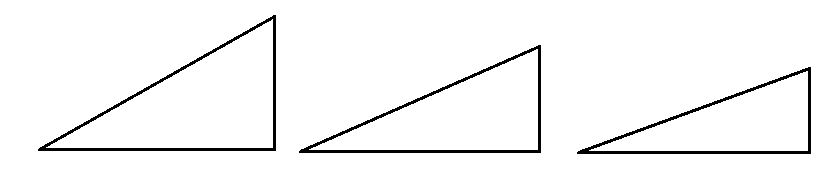
The triangles are different triangles.
Here only one side and one angle is only fixed.
The triangles drawn by different students are not same
Parallel and Perpendicular Lines solutions Chapter 2 Exercise 2.5 Carnegie Learning Geometry Page 115 Problem 11 Answer
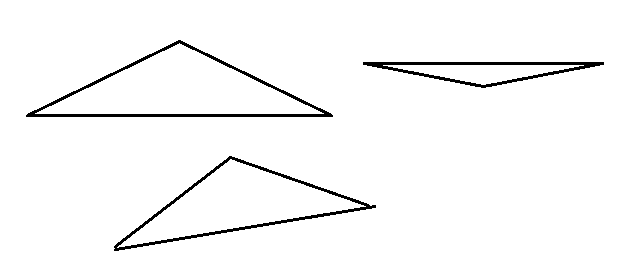
To draw : Three different obtuse triangles.
An obtuse-angled triangle is a triangle in which one of the interior angles measures more than 900
The triangles are
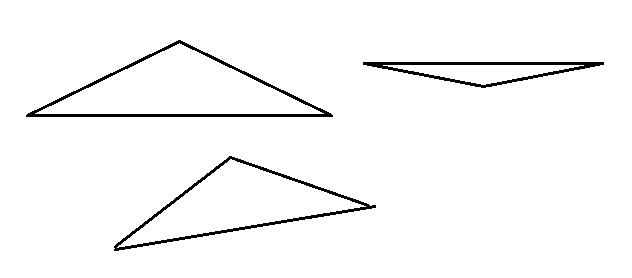
The obtuse triangles are
Carnegie Learning Geometry Student Chapter 2 Page 116 Problem 12 Answer
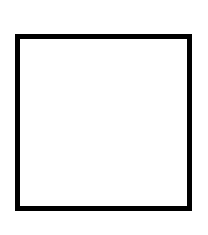
To construct: A square using the side shown.
The square is
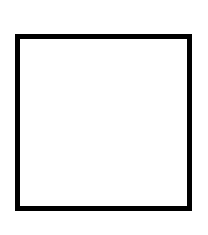
The square is
Page 116 Problem 13 Answer
To compare: The squares that you constructed with the squares that your classmates constructed. What do you observe, Why
Given :
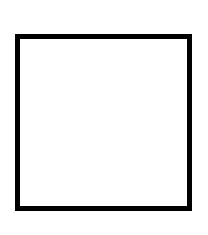
All the squares drawn by students will be same.
Since all the sides and angles are same the figures are same.
All the squares drawn by students will be same.
Carnegie Learning Geometry Student Chapter 2 Page 116 Problem 14 Answer
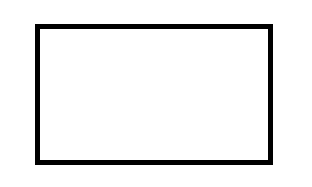
To construct: A rectangle using the two non-congruent sides shown.
The rectangle is
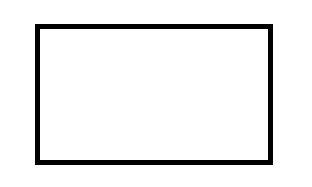
The rectangle is
Page 117 Problem 15 Answer
To construct A rhombus using the side shown.
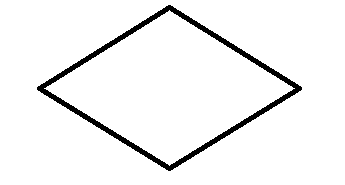
The rhombus is
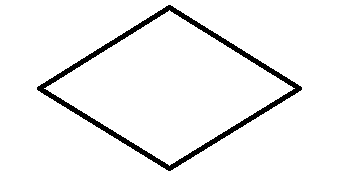
The rhombus is
Step-By-Step Solutions For Carnegie Learning Geometry Chapter 2 Exercise 2.5 Page 117 Problem 16 Answer
To compare: The rhombus that you constructed with the rhombi that your classmates constructed. What do you observe, Why
Given :
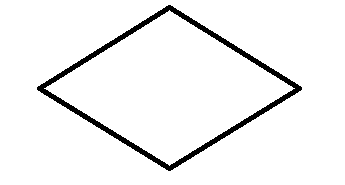
Here all the rhombi will be not be same
The angle of rhombi will be different
The sides will be equal
All the rhombi drawn by students will not be same.
Page 117 Problem 17 Answer
To construct: A parallelogram using the two non-congruent sides shown.
Given :
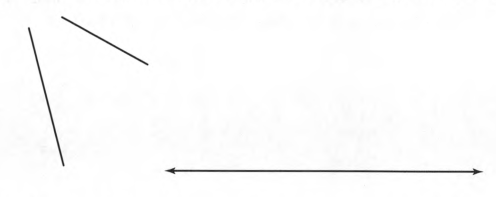
The parallelogram is

The parallelogram is

Carnegie Learning Geometry Student Chapter 2 Page 117 Problem 18 Answer
To compare: The parallelograms that you constructed with the parallelograms that your classmates constructed. What do you observe, Why
Given :

The parallelograms drawn by students will be same.
Here two sides are fixed and they are parallel.
Hence all the parallelograms will be same.
All the parallelograms drawn by students will be same.
Carnegie Learning Geometry Exercise 2.5 Student Solutions Page 118 Problem 19 Answer
To compare: The kite that you constructed with the kites that your classmates constructed. What do you observe, Why
Given :
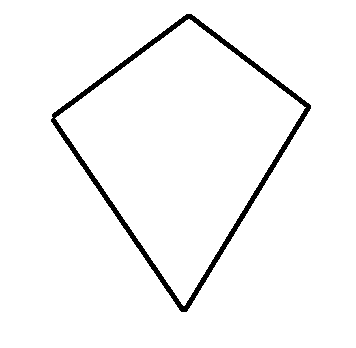
All the kites constructed by students will not be same.
All the sides will be matching
But angles won’t be matching
All the kites constructed by students will not be same.
Carnegie Learning Geometry Student Chapter 2 Page 118 Problem 20 Answer
To construct: A trapezoid using the starter line.
Given :

The trapezoid is
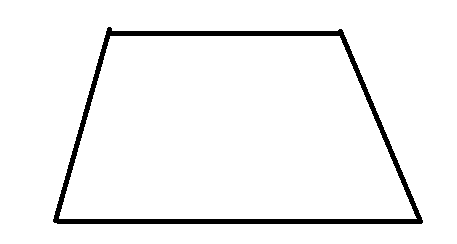
The trapezoid is
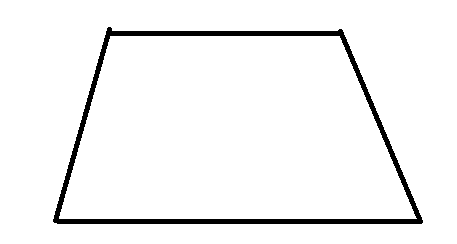
Page 118 Problem 21 Answer
To compare: The trapezoid that you constructed with the trapezoids that your classmates constructed. What do you observe, Why
Given :
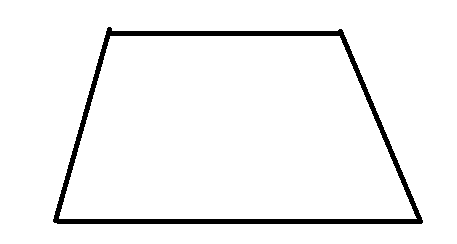
All the trapezoids drawn by students will not be same.
Here only starter line is provided.
The angles and sides drawn by students will be different
All the trapezoids drawn by students will not be same.
Carnegie Learning Geometry Student Chapter 2 Page 119 Problem 22 Answer
To decide: Whether each statement about triangles or quadrilaterals is true or false.
Given: ” All equilateral triangles are equiangular triangles. ”
The statement is correct.
All the angle in equilateral triangle is 600
In equiangular triangle also all the angles are 600
All the sides are also same.
All equilateral triangles are equiangular triangles.
Hence the statement cannot be false,
The statement is true
Parallel And Perpendicular Lines Exercise 2.5 Carnegie Learning 2nd Edition Answers Page 119 Problem 23 Answer
To decide: Whether each statement about triangles or quadrilaterals is true or false.
Given: ” An isosceles triangle can be an obtuse, acute, or right triangle. ”
The statement is false
An isosceles triangle is always acute.
In isosceles triangle two angles are same
Hence two angles are less than 900
Thereby all the angles are less than 900
Counterexample is
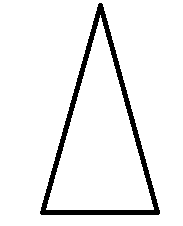
Only acute triangle satisfy this
The statement is false
Carnegie Learning Geometry Student Chapter 2 Page 119 Problem 24 Answer
To decide: Whether each statement about triangles or quadrilaterals is true or false.
Given: ” A scalene triangle can be an obtuse, acute, or right triangle”
The statement is true
A scalene triangle means all the lengths are different
In this case the triangle can be an obtuse, acute, or right triangle
A scalene triangle can be an obtuse, acute, or right triangle.
The statement cannot be false
The statement is true, a scalene triangle can be an obtuse, acute, or right triangle.
Page 119 Problem 25 Answer
To decide : Whether each statement about triangles or quadrilaterals is true or false.
Given : ” A right triangle can be an obtuse triangle.”
The statement is false
If one angle is right angle the sum of other two angle is 900
Hence the triangle cannot be obtuse.
The counter example is
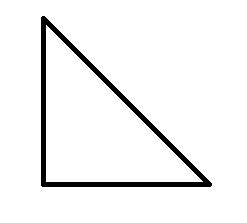
Here one angle is 900,all other angles are less than 900
The statement is false a right triangle can’t be an obtuse triangle.
Carnegie Learning Geometry Student Chapter 2 Page 119 Problem 26 Answer
To decide: Whether each statement about triangles or quadrilaterals is true or false.
Given: ” All squares are rectangles .”
The statement is correct.
All the squares are rectangles.
Square is a rectangle with equal length and breadth having all angles as right angles.
All squares are rectangles
Hence the statement cannot be false,
The statement is true all squares are rectangles.
Page 120 Problem 27 Answer
To decide : Whether each statement about triangles or quadrilaterals is true or false.
Given : ” All rectangles are squares.”
The statement is false
All rectangles are not squares.
in rectangle length and breadth may be different
In square all lengths are same
Counter example is
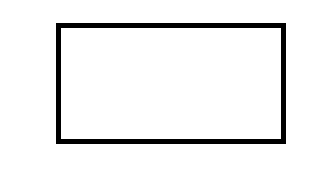
The given figure is a rectangle but not a square
The statement is false
Carnegie Learning Geometry Student Chapter 2 Page 120 Problem 28 Answer
To decide : Whether each statement about triangles or quadrilaterals is true or false.
Given : ” All squares are rhombi.”
The statement is correct
In a rhombus all sides are equal angles are not same
In square all sides and angles are same.
All squares are rhombi.
Hence the statement cannot be false,
The statement is true all squares are rhombi.
Page 120 Problem 29 Answer
To decide: Whether each statement about triangles or quadrilaterals is true or false.
Given: ” All rhombi are squares.”
The statement is false
In a rhombus all sides are equal angles are not same
In square all sides and angles are same.
Counter example is
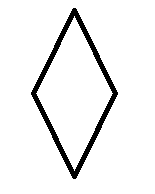
The figure is rhombus not a square
The statement is false
Carnegie Learning Geometry Student Chapter 2 Page 120 Problem 30 Answer
To decide: Whether each statement about triangles or quadrilaterals is true or false.
Given: ” All squares are parallelograms.”
The statement is correct.
In a parallelograms opposite sides are parallel
In a square opposite sides are parallel
All squares are parallelograms.
Hence the statement cannot be false
The statement is true all squares are parallelograms
Page 120 Problem 31 Answer
To decide: Whether each statement about triangles or quadrilaterals is true or false.
Given: ” All rectangles are parallelograms. ”
The statement is correct.
In a parallelograms opposite sides are parallel
In a rectangle opposite sides are parallel
All rectangles are parallelograms.
Hence the statement cannot be false
The statement is true all rectangles are parallelograms.
Carnegie Learning Geometry Student Chapter 2 Page 120 Problem 32 Answer
To decide: Whether each statement about triangles or quadrilaterals is true or false.
Given: ” All rhombi are parallelograms.”
The statement is correct.
In a parallelograms opposite sides are parallel
In a rhombi opposite sides are parallel
All rhombi are parallelograms.
Hence the statement cannot be false
The statement is true
Page 120 Problem 33 Answer
To decide: Whether each statement about triangles or quadrilaterals is true or false.
Given : ” All trapezoids are parallelograms. ”
The statement is false
In a parallelograms opposite sides are parallel
In a trapezoid one side is parallel
Counter example is
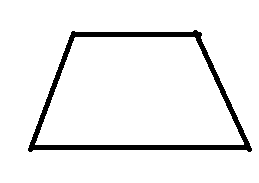
The figure is trapezoid not parallelogram
The statement is false all trapezoids are not parallelograms
Carnegie Learning Geometry Student Chapter 2 Page 120 Problem 34 Answer
To find : What you use inductive or deductive reasoning to determine if each statement was true or false.
We used an existing theory in finding true or false
Hence the reasoning used is deductive reasoning
The reasoning used is deductive reasoning